Regulars can account for up to 80% of revenue in a small business. If most of your marketing budget is going toward chasing new faces while the people already walking through your door get little more than a receipt, customer retention isn’t a nice-to-have. It’s the single biggest lever you have for predictable, compounding growth.

Key Takeaways
- Regulars drive the business. Existing customers routinely account for a majority of revenue in an established small business.
- Retention is cheaper than acquisition. Winning a new customer costs 5 to 25 times more than keeping one you already have, according to Harvard Business Review.
- Small improvements compound. Bain & Company research shows a 5% increase in retention can lift profit by 25% to 95%.
- Loyalty programs work when they’re used. Digital, automated programs consistently outperform manual punch cards on return-on-investment. See how a modern digital loyalty program compares to paper cards.
- Experience matters as much as rewards. PwC found that roughly a third of customers will leave a brand they love after just one bad experience.
- Measurement is non-negotiable. Track repeat visit rate, churn, and customer lifetime value (LTV) to know if your retention strategy is actually working.
- Automation removes the guesswork. Systems that automatically message drifting customers outperform manual follow-ups by a wide margin. Explore how automated win-back works.
Why Retention Beats Chasing New Customers
Most small business marketing advice defaults to one goal: get more new customers through the door. It’s an understandable instinct, but for most cafes, retail shops, and local service businesses, it’s the wrong priority.
The economics favour retention plainly. An existing customer already knows what you offer, already trusts you enough to have paid once, and costs almost nothing to market to compared with a stranger who’s never heard of your name.
Marketing Metrics puts the numbers in stark terms: the probability of selling to an existing customer sits between 60% and 70%. For a brand-new prospect, that probability drops to somewhere between 5% and 20%.
That gap is why businesses that build a genuine retention strategy tend to pull ahead of competitors stuck on an acquisition treadmill, spending steadily just to replace the customers who quietly stopped coming back.
Repeat customers also behave differently once they’re locked into a rhythm with your business. They visit more predictably, they’re easier to reach with a relevant offer, and every dollar spent keeping them happy tends to go further than a dollar spent trying to win a stranger’s first visit.
The True Cost of Losing Customers vs Keeping Them
Every small business loses customers. The real question is how many, and whether anyone notices before the damage shows up in the numbers.
Churn happens quietly. A regular skips a week, then a month, then stops altogether, and unless someone is actively watching visit frequency, that loss doesn’t register until revenue has already dipped for reasons that feel hard to pin down.
Acquiring a new customer costs 5 to 25 times more than retaining an existing one. Source: Harvard Business Review
That cost gap is why so many small business owners feel like they’re running hard just to stay in place. Every dollar spent chasing a replacement customer is a dollar that could have gone toward keeping the regulars who were already loyal.
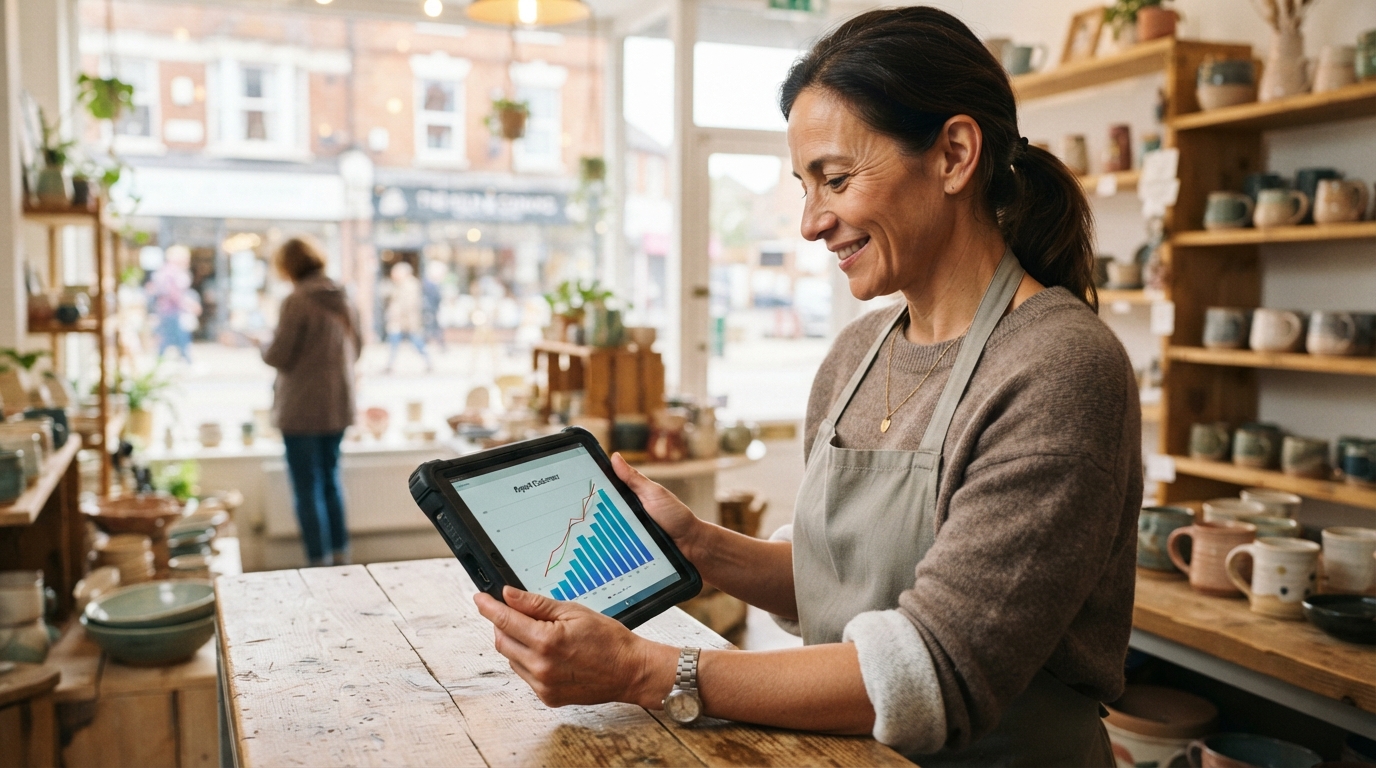
The upside cuts the other way too, and it’s a bigger lever than most owners realise. Bain & Company’s research, published in Harvard Business Review, found that increasing customer retention by just 5% can lift profit by 25% to 95%, depending on the industry. Few acquisition campaigns come close to that kind of return.
Key Retention Levers Every Small Business Should Use
Effective retention strategy for a small business rests on a handful of proven levers. None require a big-budget marketing department, but they do require a system rather than good intentions.
Loyalty Programs
A well-designed loyalty program gives customers a reason to come back that goes beyond simply liking your product. Whether it’s a stamp card, a points system, or a cashback offer, the mechanic matters less than how consistently the reward shows up.
The format matters for one specific reason: it determines whether a program actually gets used. A paper card left at home or lost in a drawer earns nothing for anyone. A digital card sitting in a customer’s phone wallet is present at every visit by default, which is the main reason automated, wallet-based programs tend to outperform manually run ones on measurable return.
If you’re weighing up which loyalty mechanic suits your business, from stamp cards to membership tiers, the LTV Loyalty homepage outlines the full range of options built specifically for cafes, retail, and local service businesses.
Personalisation
Generic “thanks for your purchase” messages don’t move the needle. Customers increasingly expect a level of recognition that reflects their actual history with your business, not a template sent to everyone on the list.
That doesn’t require sophisticated marketing infrastructure. Referencing what someone usually orders, or when they last visited, is often enough to make a message feel like it was actually meant for them rather than blasted to a database.
Communication and Messaging
Retention doesn’t happen by accident. It happens because a business consistently stays in front of customers with relevant, timely messages rather than constant promotional noise that trains people to tune out.
The businesses that get this right treat messaging as infrastructure, not an occasional campaign. That means birthday offers, visit reminders, and re-engagement nudges running quietly in the background, without someone having to remember to send them.
Win-Back Automation for Drifting Customers
Every business has customers who used to visit weekly and now haven’t been seen in two months. Left alone, most of them never come back, and most owners never notice until it’s too late to do anything about it.
Win-back automation solves this by detecting when a customer’s visit pattern slows down and triggering an offer or reminder before they’re gone for good. This is one of the areas where small businesses gain the most from digital tools, because manually tracking hundreds of individual visit patterns simply isn’t realistic for someone also running the floor.
Without a system, you’re starting from zero every single day. Automated win-back turns “hope they come back” into a repeatable process.
This is exactly the problem digital wallet-based loyalty cards solve. A card sits in a customer’s Apple or Google Wallet, and automated push notifications bring them back into your store without you lifting a finger.
You can see the full mechanics of this approach on the how it works page, which walks through the process from sign-up to automated repeat visits.
Customer Experience: The Foundation Retention Is Built On
No loyalty program or automated message can compensate for a bad experience. Customers are far less forgiving than most business owners assume, and no amount of rewards fixes a bad first impression.
PwC’s “Experience Is Everything” research found that around a third of customers say they’ll walk away from a brand they love after just one bad experience. That single finding should reshape how you think about staff training, wait times, and product consistency, since it means the loyalty program is only ever as good as the experience underneath it.
The upside is that customers are also willing to pay more to avoid that risk. The same PwC research found consumers will pay a premium of up to 16% for a consistently good experience, which means investing in consistency isn’t just about avoiding churn, it’s a genuine pricing advantage.
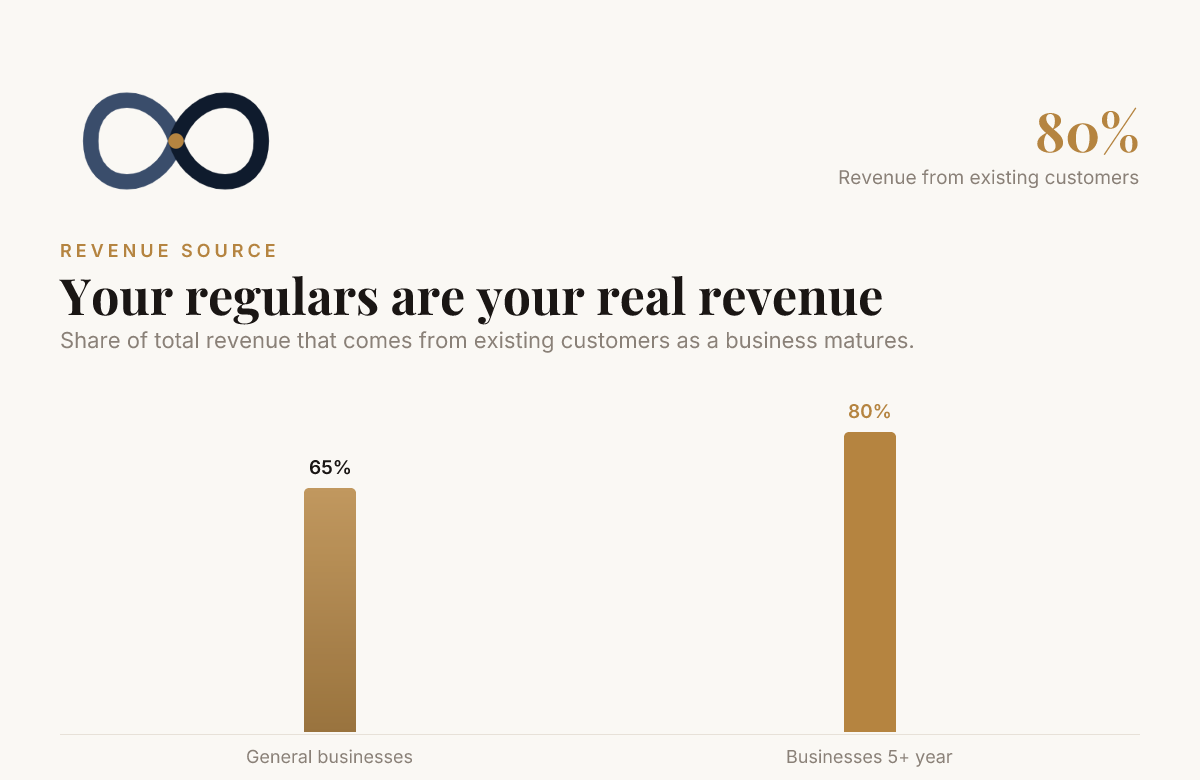
Share of total revenue that comes from existing, repeat customers in an established small business.
How to Measure Customer Retention
You can’t improve what you don’t measure. Retention for a small business doesn’t require complicated analytics platforms, just three core metrics tracked consistently.
| Metric | What It Tells You | How to Calculate It |
|---|---|---|
| Repeat Visit Rate | How many customers come back after their first purchase | Repeat customers ÷ total customers, over a set period |
| Churn Rate | How many customers you’re losing over time | Customers lost ÷ customers at start of period |
| Customer Lifetime Value (LTV) | Total revenue a customer generates over their relationship with you | Average purchase value × purchase frequency × customer lifespan |
There’s no single universal benchmark that fits every industry, so the most useful comparison is usually against your own history: is repeat visit rate trending up or down quarter over quarter, and is churn creeping in the wrong direction.
If repeat visit rate is climbing but churn is also creeping up, that’s usually a sign your loyalty program is attracting the wrong customers, or that the experience isn’t holding up once people walk through the door a second or third time.
Practical Steps to Improve Retention
Knowing the theory is one thing. Actually implementing it inside a busy cafe, retail shop, or service business is another.
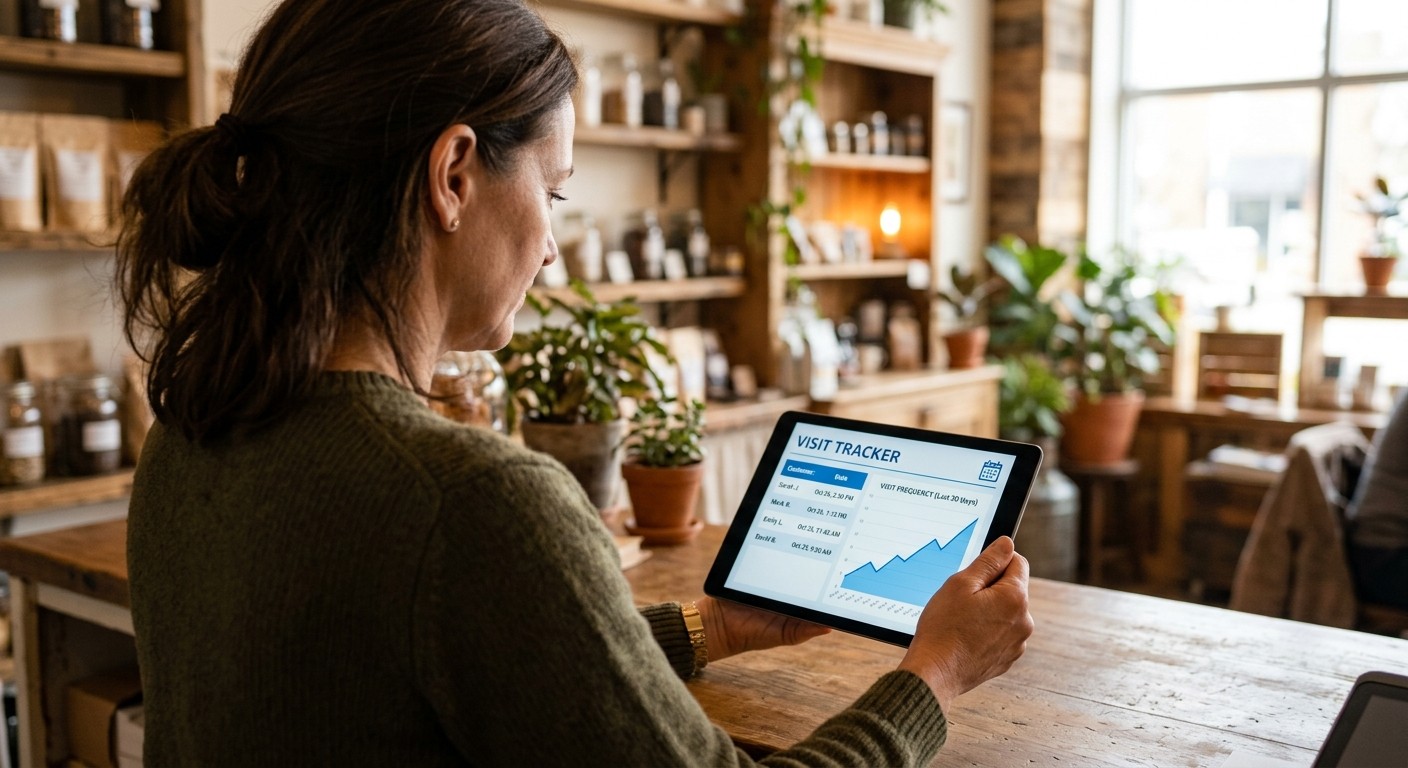
- Start tracking repeat visits today. Even a simple spreadsheet is better than guessing.
- Launch one loyalty mechanic, not five. A single stamp card or points system done well beats a confusing mix of offers.
- Set up automated re-engagement. Identify customers who haven’t visited in 30, 60, or 90 days and trigger a message automatically.
- Personalise at least one touchpoint. A birthday offer or “we miss you” message referencing their last purchase goes a long way.
- Audit the actual experience. Walk through your own customer journey and note every friction point.
- Review your numbers monthly. Repeat visit rate, churn, and LTV should be a standing item, not an afterthought.
Choosing the Right Tools for Retention
Manual retention efforts, a paper punch card, a memory of regulars’ names, only scale so far. As a customer base grows, the gap between what an owner can track by hand and what’s actually happening widens fast.
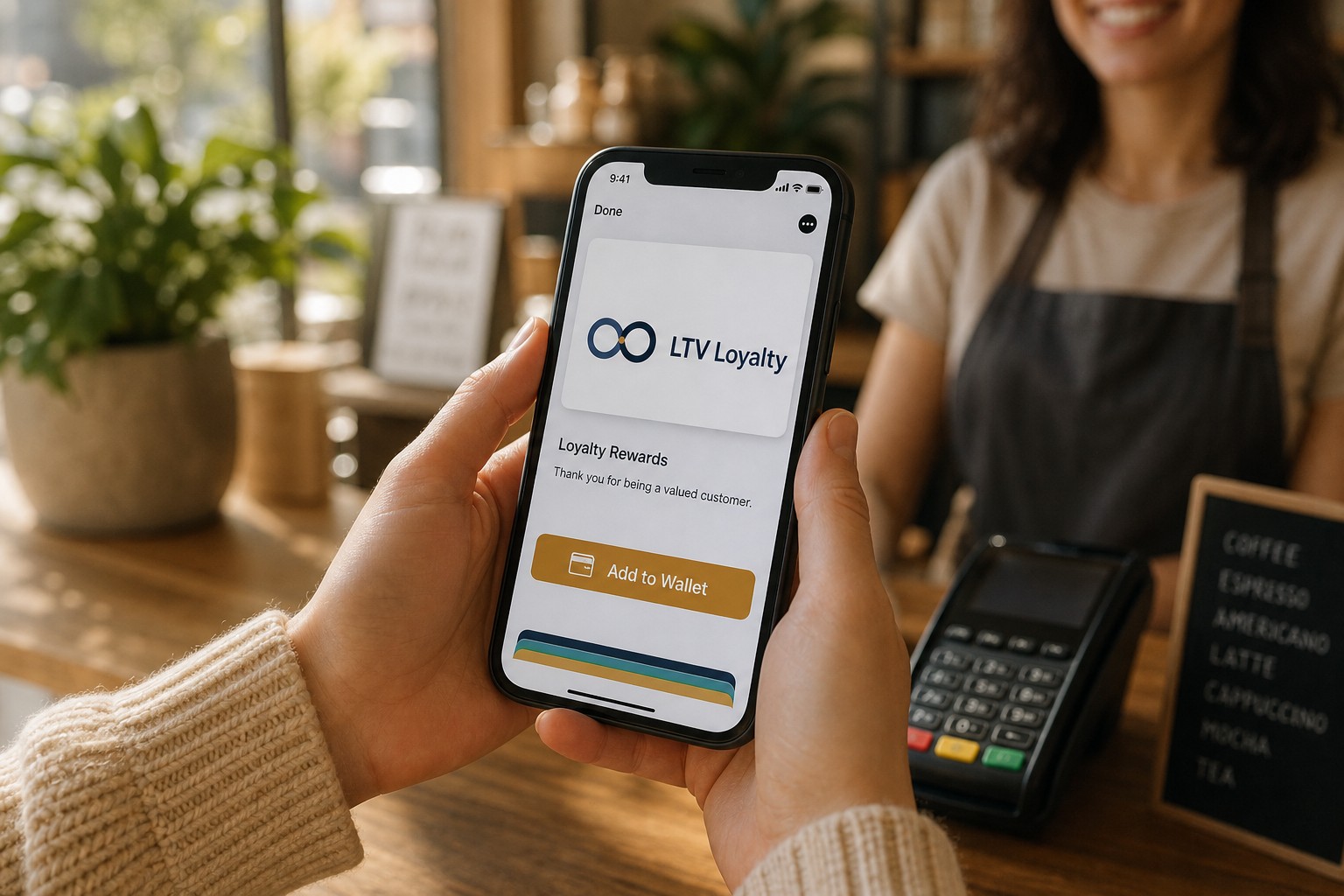
Digital loyalty platforms close that gap by combining the loyalty mechanic, the messaging, and the automation into one system. LTV Loyalty, for example, puts a digital loyalty card directly into a customer’s phone wallet and handles the follow-up messaging automatically.
Plans start from $79/month, with tiers designed for different growth stages:
- Retain ($79/month): a simple card-only setup for keeping your first regulars coming back consistently.
- Grow ($149/month, most popular): adds a referral program, more active promotions, and geo-targeted push at multiple locations.
- Compound ($259/month): scales across larger teams and multiple sites, with API access and automation tools for high-volume businesses.
Every plan includes a 30-day free trial, no setup fees, and no lock-in contract, so you can test whether automated retention actually moves your numbers before committing. Prices exclude GST. Full details on what’s included in each tier are available on the pricing page.
Where to Learn More About Retention Strategy
This article is designed as a starting point. Loyalty program design, ROI calculations, and win-back automation each deserve deeper treatment than a single overview can provide. This guide is part of a full series on customer retention for small business:
- How to Calculate Customer Lifetime Value (LTV) for Your Small Business
- Customer Churn for Small Business: Why Regulars Quietly Leave and How to Win Them Back
- How to Run a Win-Back Campaign for Lapsed Customers in Your Small Business
- Loyalty Program vs Discounting for Small Business
- Repeat Customer Rate for Small Business: What It Is and How to Improve It
If you want to go further into any of these subtopics, from building a rewards structure to calculating the exact ROI of a loyalty program, the resources library has practical guides aimed specifically at small business owners.
And if you’d rather talk it through than read another guide, the team offers a direct way to get in touch and ask questions about what fits your specific business.
Members of loyalty programs are 85% more likely to continue doing business with a brand, and 74% say they modify their spend to maximise program benefits. Source: Bond Brand Loyalty, 2025, via Access Development
Conclusion
Customer retention for a small business isn’t a side project to get to eventually. It’s the mechanism that decides whether a cafe, retail store, or local service business grows steadily or keeps starting from zero every month.
The businesses winning long-term aren’t necessarily the ones spending the most on new customer acquisition. They’re the ones who’ve built a system, whether that’s a loyalty program, automated win-back messaging, or a genuine focus on experience, that keeps regulars coming back without constant manual effort.
If you’re ready to see what an automated retention system would look like running in your own business, you can book a short demo and get a direct look before deciding anything.
Frequently Asked Questions
Why is customer retention more important than acquisition for small businesses?
Existing customers already trust your business, are far more likely to buy again, and cost far less to market to than new prospects. Because retention can drive up to 80% of revenue in an established small business, prioritising retention over constant acquisition spend typically delivers a much stronger return.
What is a good customer retention rate for a small business?
There’s no single number that applies across every industry, so the most useful benchmark is your own trend over time. What matters is whether repeat visit rate is climbing and churn is falling quarter over quarter, not hitting an arbitrary industry-wide figure.
How much does it cost to acquire a new customer compared to keeping one?
According to Harvard Business Review, acquiring a new customer typically costs 5 to 25 times more than retaining an existing one. That gap is one of the clearest financial arguments for prioritising retention when working with a limited marketing budget.
Are digital loyalty programs worth it for a small cafe or retail shop?
Digital, wallet-based programs tend to outperform paper punch cards because they’re always present at the point of purchase and support automated messaging, which paper simply can’t do. For cafes and retail shops with regular foot traffic, that usually translates into a faster payback period than a manual scheme.
What is win-back automation and do I need it?
Win-back automation automatically detects when a regular customer’s visits slow down and sends a reminder or offer before they stop coming altogether. Since churn tends to happen quietly and go unnoticed until revenue dips, automation is one of the most efficient ways to catch it early without manual tracking.
How do I measure customer retention for my small business?
Track three core numbers: repeat visit rate, churn rate, and customer lifetime value (LTV). Reviewing these monthly gives a clear, ongoing picture of whether a retention strategy is actually working, rather than relying on a gut feeling about how busy the shop has been.
Is investing in customer experience really worth it if I already have a loyalty program?
Yes. PwC’s research found that roughly a third of customers will leave a brand they love after a single bad experience, regardless of what rewards they’re earning. Experience and loyalty programs need to work together, since a good rewards scheme can’t undo the damage of a poor visit.